
In today’s How to Build a High Converting Landing Page post, we’ll explore the essential elements that make a landing page not just good, but great.
If you’ve ever wondered why some landing pages skyrocket sales while others barely get a click, you’re in the right place. We’re going to break down the process step-by-step, from understanding what a landing page is, to crafting the perfect call to action, and everything in between.
Imagine your landing page as your digital storefront. Just like a great window display pulls people into a store, a well-designed landing page grabs attention and convinces visitors to take action. Whether you’re aiming to collect emails, boost sales, or promote a new product, having a high-converting landing page is your ticket to achieving those goals.
But don’t worry, you don’t need to be a tech wizard or a marketing guru to get it right. With a bit of research, some thoughtful planning, and a dash of creativity, you can create a landing page that not only looks good but also delivers results.
How to Build a High Converting Landing Page
What’s a Landing Page, Anyway?
Think of it as a special web page designed for one main purpose: to get your visitors to do something specific. Unlike other pages on your site, a landing page is laser-focused on a single goal, known as a call to action (CTA).
There are different types of landing pages for different goals. For example, lead generation pages are all about getting people to give you their info, like their email address. Click-through pages are designed to get visitors to click through to another page, usually a sales page. Then there are sales pages, which are all about convincing visitors to buy something right then and there.
To know if your landing page is doing its job, you’ll look at key metrics like conversion rate (how many visitors take action), bounce rate (how many leave without doing anything), and the average time on the page.
Setting Your Goals
Before you start building your landing page, you need to know what you want to achieve. Do you want to collect a certain number of emails? Drive more sales? Get more people to sign up for a webinar? Whatever it is, having a clear goal will guide your design and content decisions.
Once you’ve got your goal, set some key performance indicators (KPIs) to track your progress. For instance, if your goal is to collect emails, your KPIs might include the number of form submissions and the conversion rate of visitors to leads.
Getting Ready
Knowing your audience is key to creating a landing page that really clicks with them. Start by researching who they are, what they like, and what problems they need solving. Tools like Google Analytics, social media insights, and customer surveys can give you the scoop.
Next, check out your competition. Look at their landing pages to see what they’re doing right and where they’re missing the mark. This will help you understand the industry standard and find ways to stand out.
Armed with this info, craft a strong value proposition. This is a clear statement that explains what makes your product or service awesome and why people should care.
Must-Have Elements for Your Landing Page
Alright, let’s get into the nuts and bolts of a high-converting landing page.
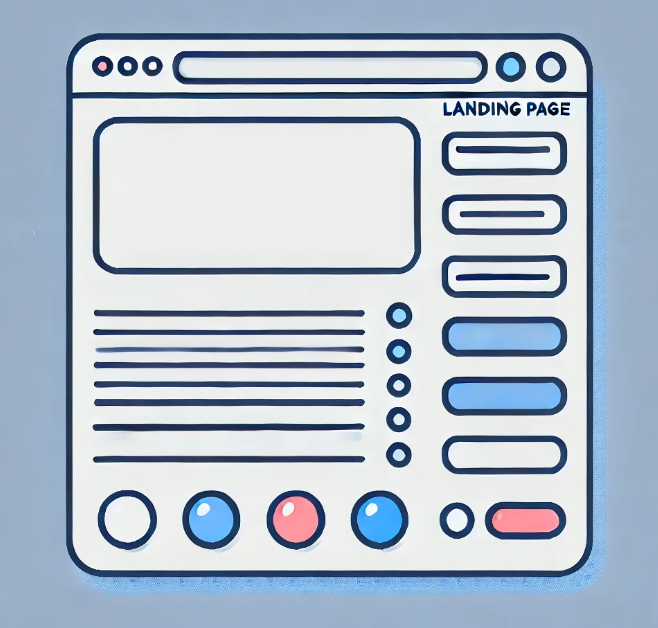
Headline: Your headline is the initial thing people notice, so ensure it makes an impact. It should be clear, compelling, and to the point.
Subheadline: This supports your headline and gives a bit more info. Think of it as the next sentence in a conversation.
Visuals: A picture is worth a thousand words, right? Incorporate high-quality images or videos that are both relevant and attention-grabbing.
Call to Action (CTA): This is the most important part of your landing page. Make sure your CTA is clear, bold, and easy to find. Whether it’s a button that says “Buy Now” or a form to fill out, it should be super obvious.
Forms: If you’re collecting info, keep your forms short and sweet. Ask for just the essentials to reduce friction.
Trust Indicators: Establish credibility with your visitors by featuring testimonials, reviews, and trust badges. People are more likely to take action if they see that others have had a good experience.
Design and Layout Tips
When it comes to design, keep it simple. A clean, uncluttered layout will help visitors focus on your message and CTA.
Use design patterns like the F-pattern or Z-pattern to guide the visitor’s eye to the most important elements. Make sure your landing page looks great on mobile devices, too, since a lot of people will be visiting from their phones.
Crafting the Perfect Content
Your copy should be clear and concise. Emphasize the benefits of your product or service, rather than just highlighting the features. Use persuasive language and psychological triggers like scarcity (limited time offer!) and social proof (join thousands of happy customers!).
Testing and Tweaking
Creating a landing page isn’t a one-and-done deal. You’ll need to test different elements to see what works best. A/B testing is a great way to compare two versions of a page to see which one performs better.
Tools like heatmaps and Google Analytics can help you understand how visitors are interacting with your page. Use this data to make informed tweaks and improvements.
Real Success Stories
To show you this stuff really works, let’s look at some real success stories. Take Unbounce, for example. They managed to increase a client’s conversion rate by 133% just by tweaking the headline and CTA. Or consider Moz, who doubled their email signups by simplifying their landing page design and adding a clear value proposition.
Tools and Resources
There are plenty of tools out there to help you build and optimize your landing page. Some popular ones include Unbounce, Leadpages, and Instapage for building your page, and tools like Google Analytics and Hotjar for tracking and testing.
Avoiding Common Pitfalls
Even the best landing pages can fall into common traps. Avoid cluttering your page with too much information, using vague CTAs, or neglecting mobile users. Stick to best practices and keep your focus on the user experience.
I hope you found my How to Build a High Converting Landing Page post of value. Crafting a high converting landing page is more art than science, and it’s an ongoing process of learning and adaptation.
Remember – the most successful landing pages aren’t created overnight – they are the result of continuous testing, tweaking, and optimization.
Consider your landing page as a dynamic, evolving entity. It evolves as you gain more insights about your audience and their preferences. Stay curious and keep experimenting with different headlines, visuals, and CTAs. What worked yesterday might not work tomorrow, and the key to staying ahead is being open to change.
Always keep your user’s experience at the forefront. A landing page that truly resonates with your visitors is one that understands their needs, speaks their language, and offers them clear and compelling reasons to take action. By putting yourself in their shoes, you can create a seamless journey that guides them effortlessly towards your desired goal.
And finally, don’t forget to celebrate your wins. Each increase in conversion rate, no matter how small, is a step towards your bigger goals. Learn from every success and setback, and use those lessons to fuel your next round of improvements.
To Your Success!


