
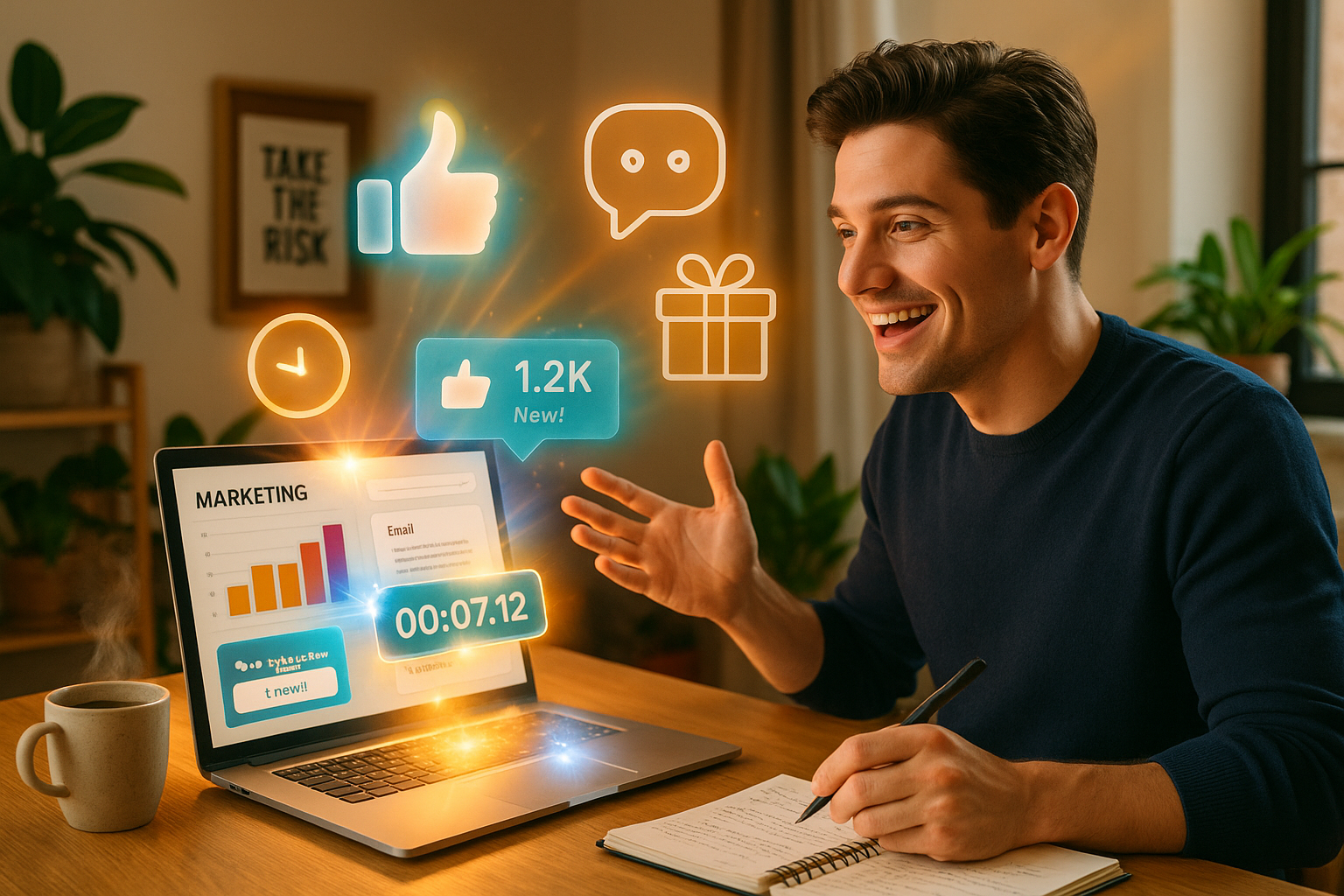
In today’s How Top Marketers Use Psychology to Boost Conversions post, we’re delving into the mindset hacks that successful marketers use to turn casual browsers into loyal customers. If you’ve ever wondered why some sales pages seem irresistible while others fall flat, the answer often lies in a few simple, psychology-based strategies.
The good news? These tricks aren’t reserved for marketing geniuses. You can use them too — without feeling manipulative or forced. Let’s break down the psychology behind higher conversions and how you can make it work for your business.
Why Understanding Psychology Matters in Marketing
You might think marketing is all about catchy headlines or slick design. While those play a role, the real magic happens when you tap into human behaviour. In other words, it’s about understanding what makes people tick — and then crafting your message to fit that mindset.
When you know why your audience clicks, shares, or buys, you can build campaigns that naturally encourage those actions. That’s where psychology comes into play. It’s about creating an environment where saying “yes” feels like the obvious choice.
1. The Power of Social Proof: Why People Follow the Crowd
Humans are social creatures. Therefore, we tend to trust what others recommend, especially if those others seem credible or similar to us. This is why reviews, testimonials, and case studies are so effective — they reassure potential customers that your product has worked for others.
Action Tip: Include short, authentic testimonials in your marketing emails. Even a quick sentence like, “I finally hit my income goals after trying [your product]!” makes a difference.
Moreover, with AI tools, you can quickly gather customer feedback, analyze sentiment, and pick the most compelling quotes to include in your campaigns.
2. Scarcity and Urgency: Why People Don’t Want to Miss Out
Ever noticed how “limited time only” offers always grab attention? That’s because the thought of missing out triggers a primal instinct to act now. Consequently, it’s not just about hype — it’s psychology.
Action Tip: Instead of vague urgency, be specific: “Only 5 spots left!” or “Offer ends at midnight.” Clear, time-sensitive messaging feels more real and motivating.
Additionally, AI-powered automation tools can help you create countdown timers and personalize messages, making urgency even more persuasive without feeling pushy.
3. Reciprocity: Giving Before You Ask
When someone offers us a gift or help, it’s only natural to want to give back. In marketing, this could be as simple as offering a free resource before pitching a product.
Action Tip: Create a short AI-generated guide or checklist related to your niche and offer it as a no-strings-attached gift. You’ll be surprised how often generosity leads to conversions.
Furthermore, using AI to create high-quality, value-packed content makes this approach even easier and more effective.
4. Authority: Positioning Yourself as the Go-To Expert
We tend to trust people who really know their stuff. That’s why marketers who present themselves as knowledgeable and experienced tend to attract more followers. The trick, however, is to demonstrate expertise without bragging.
Action Tip: Use AI to analyze your most popular content and identify the topics where you’ve already established credibility. Then, double down on those themes in your next campaign.
Moreover, consistently sharing insights and thought leadership helps cement your status as an authority.
5. Personalization: Making Your Message Feel Just for Them
People crave personal attention. Even online, generic messages get ignored while customized ones resonate. When your audience feels seen and understood, they’re more likely to engage.
Action Tip: Use AI to sort your email list by how people have interacted with you in the past-making sure everyone gets messages that fit their interests. As a result, you can send targeted messages that address specific needs, whether it’s a beginner’s guide or advanced strategies.
In fact, personalizing your content doesn’t just improve engagement — it builds trust over time.
6. Storytelling: Turning Data Into Relatable Experiences
Dry facts don’t stick. On the other hand, stories do. Sharing experiences, even fictional scenarios, helps your audience visualize success. Instead of just listing features, tell how someone used your product to overcome a challenge.
Action Tip: Use AI-driven content generation to craft story templates. Instead of writing from scratch, adapt stories based on your audience’s pain points and aspirations.
Moreover, storytelling adds a human touch that data alone can’t achieve.
7. Anchoring: Framing Offers to Make Them Irresistible
The first number people see influences how they perceive value. That’s why showing a higher price before revealing a discount makes the deal feel better.
Action Tip: On your landing pages, present the original price prominently before the discounted one. Additionally, AI-powered dynamic pricing can help test which anchor points perform best.
As a result, your offers will appear more attractive without seeming too pushy.
Common Mistakes to Avoid When Applying Psychology
They work great when used right, but too much can have the opposite effect. For instance:
- Too Much Urgency: When every offer is a “last chance”, people stop taking it seriously.
- Forced Personalization: Adding a first name to a generic message doesn’t make it feel customized.
- Unconvincing Social Proof: If reviews sound fake or scripted, they can harm your credibility.
Therefore, balance is key. Be genuine and thoughtful, not gimmicky or exaggerated.
Why AI Makes Implementing These Tricks Easier
Thanks to AI, there’s no need to create each message yourself or spend hours analyzing every campaign. From sentiment analysis to automated email personalization, AI streamlines the process — letting you focus on strategy instead of guesswork.
Imagine setting up a campaign where AI predicts which message will resonate most based on your audience’s preferences. Or automating A/B tests to see which urgency-driven call-to-action converts better. That’s not just smart marketing — it’s efficient marketing.

I hope you found my How Top Marketers Use Psychology to Boost Conversions post of value. Psychological tricks aren’t about manipulation — they’re about understanding your audience and creating content that genuinely connects. When done right, they feel natural and helpful, not forced.
To start, choose one or two strategies that feel authentic to your brand. Test them out, tweak as needed, and watch your conversions grow. Whether it’s creating a more relatable story or adding a touch of scarcity to your next offer, you’ll soon see how small psychological adjustments can make a big impact.
In the end, it’s not just about what you’re selling — it’s about how your audience feels when they encounter your offer. Make them feel understood, valued, and confident, and your conversions will reflect that.
To Your Success!


