
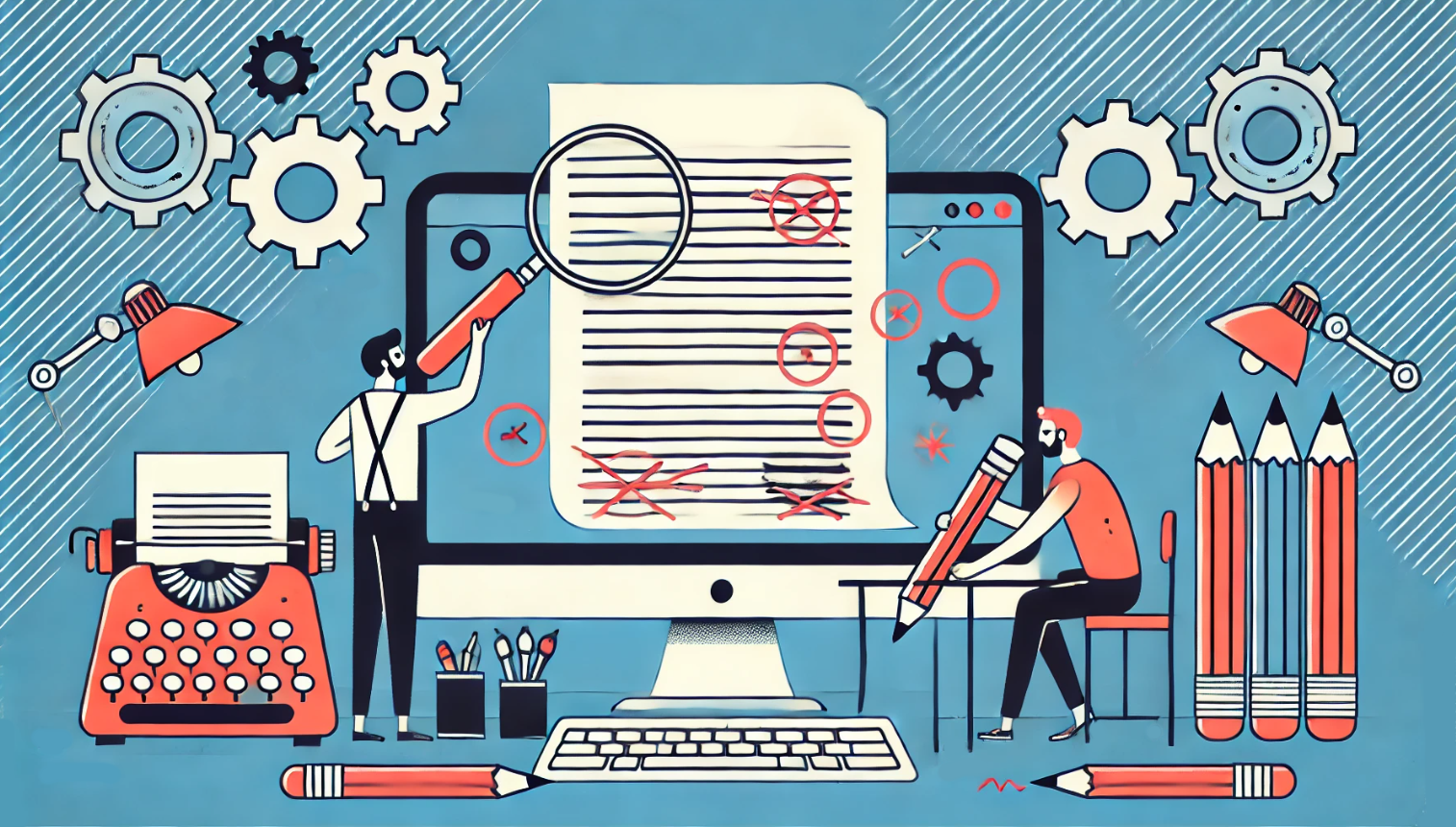

In today’s 10 Common Copywriting Mistakes and How to Avoid Them post, we’ll look into the subtle pitfalls that can quietly derail your copywriting efforts, often without you even realizing it.
Whether you’re crafting an email campaign, a landing page, or a blog post, even the smallest missteps can dilute your message and lessen your impact. Therefore, we’ll uncover these hidden dangers and provide you with clear, actionable strategies to transform your content into a powerhouse of engagement and conversion.
Moreover, as an internet marketer in the fiercely competitive make-money-online niche, you know that every word counts. Your copy must not only capture attention but also persuade and compel action. By the end of this post, you’ll have a toolkit of techniques to refine your copy, boost its effectiveness, and ultimately drive better results. Let’s take a look…
10 Common Copywriting Mistakes and How to Avoid Them
1. Focusing on Features Instead of Benefits
One of the most frequent errors in copywriting is emphasizing features over benefits. It’s easy to get caught up in listing all the fantastic aspects of your product or service. However, readers are more interested in how those features will benefit them.
Example:
- Feature-focused copy: “Our software includes a state-of-the-art AI algorithm.”
- Benefit-focused copy: “Our software saves you hours of manual work by using a state-of-the-art AI algorithm, giving you more time to focus on growing your business.”
- Actionable Tip: When writing your copy, always ask yourself, “So what?” This helps shift the focus from what the product does to why it matters to the customer.
2. Weak or Non-Existent Call to Action (CTA)
An effective call to action is essential for directing your audience towards taking the next step, whether that’s subscribing to a newsletter, buying a product, or downloading a freebie. Without a clear and compelling CTA, your audience may feel lost or uninspired to take the next step. Therefore, it’s essential to use action-oriented language that tells readers exactly what to do and why they should do it.
Example:
- Weak CTA: “Click here for more information.”
- Strong CTA: “Unlock your free trial now and start transforming your business today!”
- Actionable Tip: Use lively language and make it feel urgent. Words like “start,” “discover,” and “unlock” are powerful motivators.
3. Overcomplicating the Message
In an attempt to sound professional or knowledgeable, some copywriters fall into the trap of using overly complex language. However, simplicity is key to effective communication. Clear, concise language ensures your message is understood by a wider audience. Furthermore, when your writing is straightforward, it not only reaches more people but also engages them more effectively.
Example:
- Complicated: “Utilize our groundbreaking solution to expedite your workflow efficiency.”
- Simple: “Use our tool to speed up your work and get more done.”
- Actionable Tip: After writing your draft, go through it and simplify the language. If a ten-year-old can understand it, you’re on the right track.
4. Neglecting the Target Audience
Understanding your audience is foundational to writing compelling copy. If you don’t know who you’re talking to, your message will likely miss the mark. Therefore, it’s essential to research and define your target audience clearly. For instance, writing for busy entrepreneurs requires a different approach than targeting stay-at-home parents. By tailoring your message to address the specific needs and desires of your audience, you create a stronger connection and increase the likelihood of engagement. Remember, effective copy speaks directly to the reader, making them feel understood and valued. So, always take the time to know your audience inside and out before crafting your message.
Example:
- Generic copy: “Our product is great for everyone.”
- Focused copy: “Our product is a favourite among busy entrepreneurs because it helps them save time and increase productivity.”
- Actionable Tip: Create detailed buyer personas that include demographics, interests, pain points, and buying behaviours. Tailor your copy to speak directly to these personas.
5. Ignoring SEO Best Practices
Even the most well-written copy won’t perform well if it isn’t optimized for search engines. Applying SEO techniques makes sure your content is easily found by the people you want to reach. Therefore, it’s crucial to integrate relevant keywords naturally into your copy, enhancing its visibility on search engines. Additionally, using proper meta tags, creating compelling meta descriptions, and ensuring your content is mobile-friendly can significantly improve your SEO.
Example:
- Non-optimized: “We offer the best service available.”
- Optimized: “Learn why our digital marketing service is the ideal solution for businesses wanting to grow their sales.”
- Actionable Tip: Identify the right keywords and seamlessly weave them into your content. Tools like Google Keyword Planner or Ubersuggest can help you find the right keywords.
6. Lack of Proofreading and Editing
Nothing undermines your credibility faster than a piece of copy riddled with spelling and grammar mistakes. Therefore, proofreading and editing are essential steps to polish your writing. Taking the time to review your work not only catches errors but also enhances clarity and flow. For instance, reading your copy aloud can help identify awkward phrasing and missed punctuation.
Example:
- Before editing: “Our software helps you increase youre productivity.”
- After editing: “Our software helps you increase your productivity.”
- Actionable Tip: Utilize resources such as Grammarly or Hemingway to spot mistakes and make your writing clearer. Additionally, having a colleague review your work can provide fresh insights.
7. Using Too Much Jargon
While industry-specific terms can sometimes be useful, overloading your copy with jargon can alienate readers. Therefore, it’s important to strike a balance and ensure your message is accessible. To do this, aim to use clear, simple language that anyone can understand, regardless of their background.
Example:
- Jargon-heavy: “Leverage our synergistic platforms to optimize your ROI.”
- Clear: “Use our tools to improve your return on investment.”
- Actionable Tip: Ask someone outside your industry to read your copy. If they can’t understand it, it’s time to simplify.
8. Failing to Create a Sense of Urgency
Creating a sense of urgency can be a powerful motivator, as it encourages your audience to act quickly rather than procrastinate. Additionally, incorporating countdown timers or deadlines can further amplify this effect.
Example:
- No urgency: “Sign up for our webinar.”
- With urgency: “Register for our webinar now – only a few spots left!”
- Actionable Tip: Incorporate time-sensitive phrases like “limited time offer,” “only a few spots left,” or “act now” to encourage immediate action.
9. Overlooking the Importance of Formatting
Good formatting enhances readability and helps convey your message more effectively. Walls of text can be intimidating and off-putting to readers. For example, instead of presenting a large block of text, use subheadings to organize your content and bullet points to highlight key information. Additionally, incorporating white space around your text gives it room to breathe, making it easier on the eyes.
Example:
- Poor formatting: “Our product is amazing. It helps you save time, increase efficiency, and boost productivity.”
- Good formatting: “Our product is amazing:
- Save time
- Increase efficiency
- Boost productivity”
- Actionable Tip: Use headings, bullet points, and short paragraphs to break up text and make your content more reader-friendly.
10. Not Testing and Iterating
Writing copy isn’t something you do just once and then forget about. Testing different versions of your copy and iterating based on performance data can lead to significant improvements. For instance, you might find that one version of a headline generates more clicks than another. Analyzing these results allows you to refine your copy to better meet your audience’s needs and preferences. Additionally, regular testing keeps your content fresh and relevant.
Example:
- No testing: “Join our newsletter.”
- Tested and improved: “Subscribe to our newsletter for exclusive tips and offers.”
- Actionable Tip: Use A/B testing tools to experiment with different headlines, CTAs, and formats. Analyze the results and refine your copy based on what performs best.

I hope you found value in my 10 Common Copywriting Mistakes and How to Avoid Them post. Mastering copywriting takes effort and awareness, but the rewards are worth it.
By recognizing and avoiding these common mistakes, you can craft content that truly resonates and compels your readers to take action. Your goal is to connect with your audience on a personal level, making them feel seen and heard. Use these tips to refine your approach, experiment with new ideas, and learn from your results.
Remember – Every misstep is an opportunity to improve.
To Your Success!


