
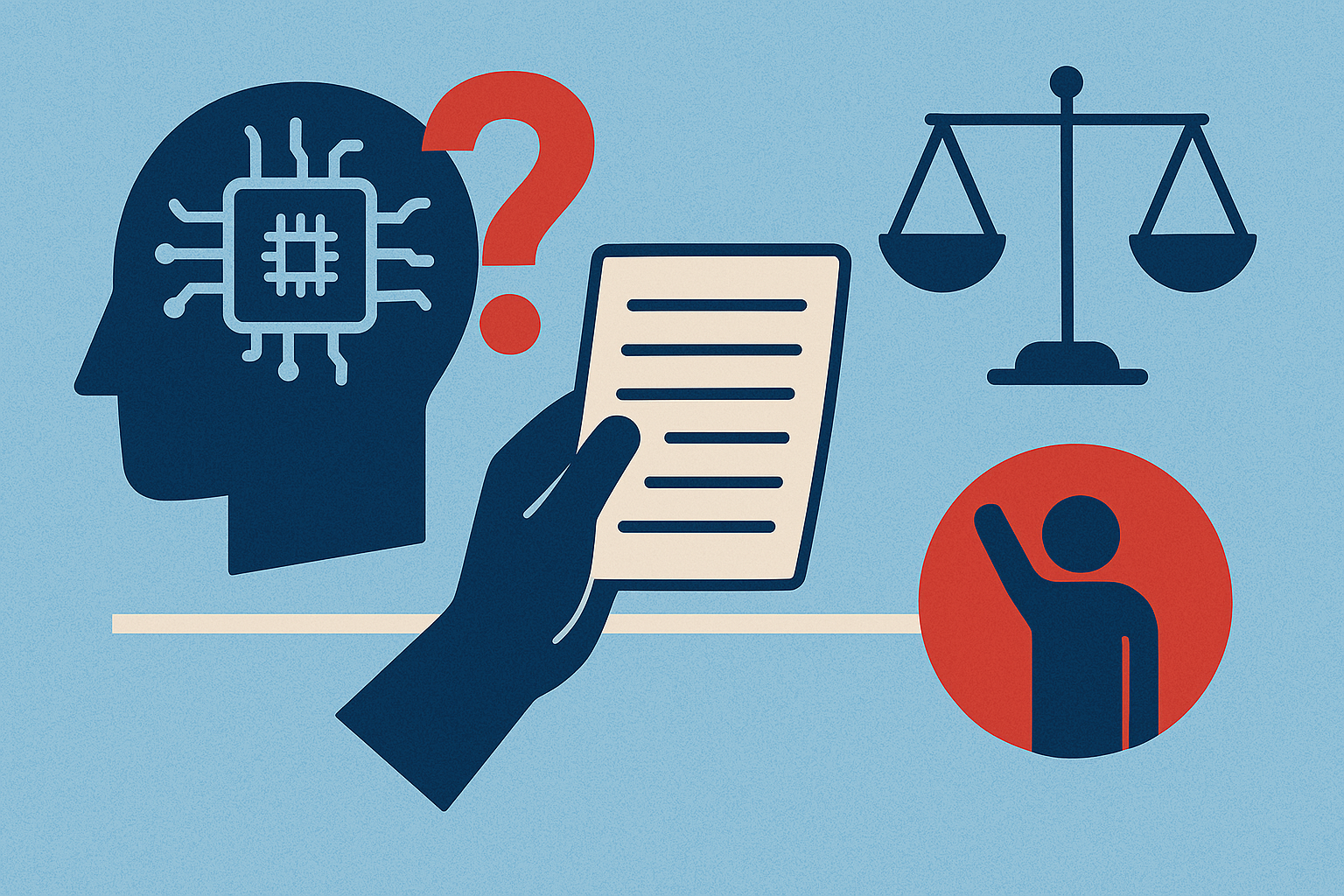

In today’s What Every Creator Needs to Know About AI Ethics and Content Originality post, we’re taking a closer look at an issue that’s becoming harder to ignore. We’re living in a time where anyone can generate a blog post, eBook, or video script in seconds.
Thanks to AI tools, content creation has never been faster or more accessible. But with that surge comes a wave of questions that are a little harder to answer — especially around originality, copyright, plagiarism, and authenticity.
What does it mean to create something original in the age of AI? Who owns AI-generated content? How do you stay ethical when using tools that remix, reword, and regenerate existing ideas from across the internet?
What Every Creator Needs to Know About AI Ethics and Content Originality
Let’s break it all down — and explore how you can use AI responsibly while still protecting your voice, your work, and your credibility.
The Rise of AI-Generated Content: A Double-Edged Tool
AI has become a powerful tool for writers, marketers, business owners, educators — you name it. It helps you brainstorm, speed up production, and even spark ideas when your creativity hits a wall.
But while AI makes content easier to create, it also blurs the lines around authorship and ownership.
For instance:
- If an AI tool writes your article, is it truly your original work?
- Can you copyright content created with AI?
- How much input is needed from a human before it crosses into original territory?
These aren’t just philosophical questions. They have real legal and ethical implications — and understanding them is key to using AI responsibly.
Originality in an AI World: What It Actually Means
Let’s get clear on what originality means in today’s content landscape.
Original content isn’t just about using different words. It’s about sharing unique insights, perspectives, experiences, or interpretations that haven’t been copy-pasted (or auto-generated) from somewhere else.
AI tools like ChatGPT (Hi there ??) don’t create from nothing. They remix what already exists, drawing on huge datasets built from existing content across the web. That means the output might sound polished — but it isn’t the same as something that came from your personal experience or research.
So when you rely on AI to write your content, you have to ask: what am I adding that only I can contribute?
Copyright and Plagiarism: The Legal Grey Zones
This is where things get tricky.
- Can You Copyright AI-Generated Work?
In many places, the answer is no — because current copyright laws are based on human authorship. If a machine creates it, courts often rule that it can’t be protected by copyright in the same way.
This has big implications for creators. For example, if you publish an eBook written entirely by AI, someone else could technically copy and sell it — and there might be little you can do to stop them.
That’s why adding a human touch — your own voice, structure, research, or commentary — isn’t just about ethics. It’s a smart move for protecting your work.
- What About Plagiarism?
Even if your AI-generated content isn’t copied word-for-word, it might still resemble existing material in a way that feels uncomfortably close. And because AI doesn’t always cite sources (or even know where the info originally came from), it’s easy to accidentally pass off other people’s ideas as your own.
That’s where responsibility comes in. Just because AI gave you the answer doesn’t mean it’s right to use it without checking, editing, or adding attribution.
- Staying Ethical: How to Navigate AI Content Creation with Integrity
Here are a few practical ways to use AI responsibly while keeping your content original and ethically sound:
1. Use AI as a Starting Point, Not a Shortcut
Think of AI like a creative friend who helps you bounce around ideas — not someone who’s doing all the writing for you. Let it help you generate ideas, outlines, or rough drafts — but make sure your final product reflects your own thinking, voice, and experience.
If you rely too heavily on the raw output, you risk sounding like everyone else (or worse — running into legal issues).
2. Always Fact-Check and Cross-Reference
AI can sound confident, even when it’s flat-out wrong. Before publishing anything, double-check the facts, especially if you’re writing about topics like health, finance, or legal issues.
It’s also worth cross-referencing parts of the content through a plagiarism checker to make sure you’re not unintentionally reproducing someone else’s work.
3. Add Personal Stories, Examples, and Insights
This is where human writers shine. No AI tool can replicate your real-life experience, point of view, or sense of humour. These are the elements that make content feel fresh, trustworthy, and memorable.
Use AI to handle structure or filler — but make sure the heart of the content comes from you.
4. Give Credit Where It’s Due
If you’re inspired by a specific article, quote, or dataset — say so. Add links, mentions, or a quick note in the copy. Not only does this build trust with your audience, but it also shows that you respect the creators who came before you.
Attribution isn’t a weakness. It’s a mark of professionalism.
5. Set Transparent Expectations with Your Audience
If you’re using AI in your content creation process, there’s no shame in being upfront about it — especially if you’re also bringing your own expertise into the mix.
Many creators are adding disclaimers like “This article was generated with assistance from AI and edited by a human” to show both transparency and accountability. It’s not mandatory, but it can help set the tone and clarify your process.
Finding Your Voice in a Sea of AI-Generated Noise
One of the biggest challenges today isn’t just creating content — it’s standing out.
With so much AI-generated material flooding the web, it’s easy to feel like originality is slipping away. But here’s the good news: your voice, perspective, and values still matter more than ever.
Audiences are becoming more aware of what feels real and what feels robotic. People crave stories, nuance, and imperfection — the kind of stuff AI isn’t great at (yet).
So, instead of competing with AI, lean into what makes you different.
Whether you’re writing blog posts, recording videos, or building an email list, focus on connecting rather than just publishing. Add context. Ask questions. Share what’s worked for you (and what hasn’t). That’s the kind of content that builds long-term trust.
Final Thoughts: It’s About Balance, Not Extremes
Now, it’s not as straightforward as it might seem. However, you don’t have to abandon AI completely to stay ethical — but you do have to be thoughtful about how you use it.
Therefore use these tools to enhance your creativity, not replace it. AI can speed things up, but it can’t replace your voice. And when in doubt, ask yourself:
“Would I still be proud to put my name on this if someone asked how it was made?”
If the answer is yes, you’re probably on the right track.

I hope you found my What Every Creator Needs to Know About AI Ethics and Content Originality post useful. Remember, AI isn’t the enemy of originality — it’s a tool. One that can amplify your creativity if you use it with care and intention. The goal isn’t to avoid AI, but to stay grounded in your own voice, values, and vision as a creator.
Here are a few takeaways for you:
- Originality means bringing something uniquely you to the table — not just rephrasing existing ideas.
- Copyright doesn’t always apply to AI-generated work. Add your own input to protect your rights.
- Plagiarism can happen unintentionally with AI. Always check your work.
- Ethical content creation means using AI as a tool, not a crutch.
- Transparency and personalization go a long way in a content-saturated world.
So, use AI wisely. Stay curious. And keep creating with integrity.
To Your Success!


